

Murter
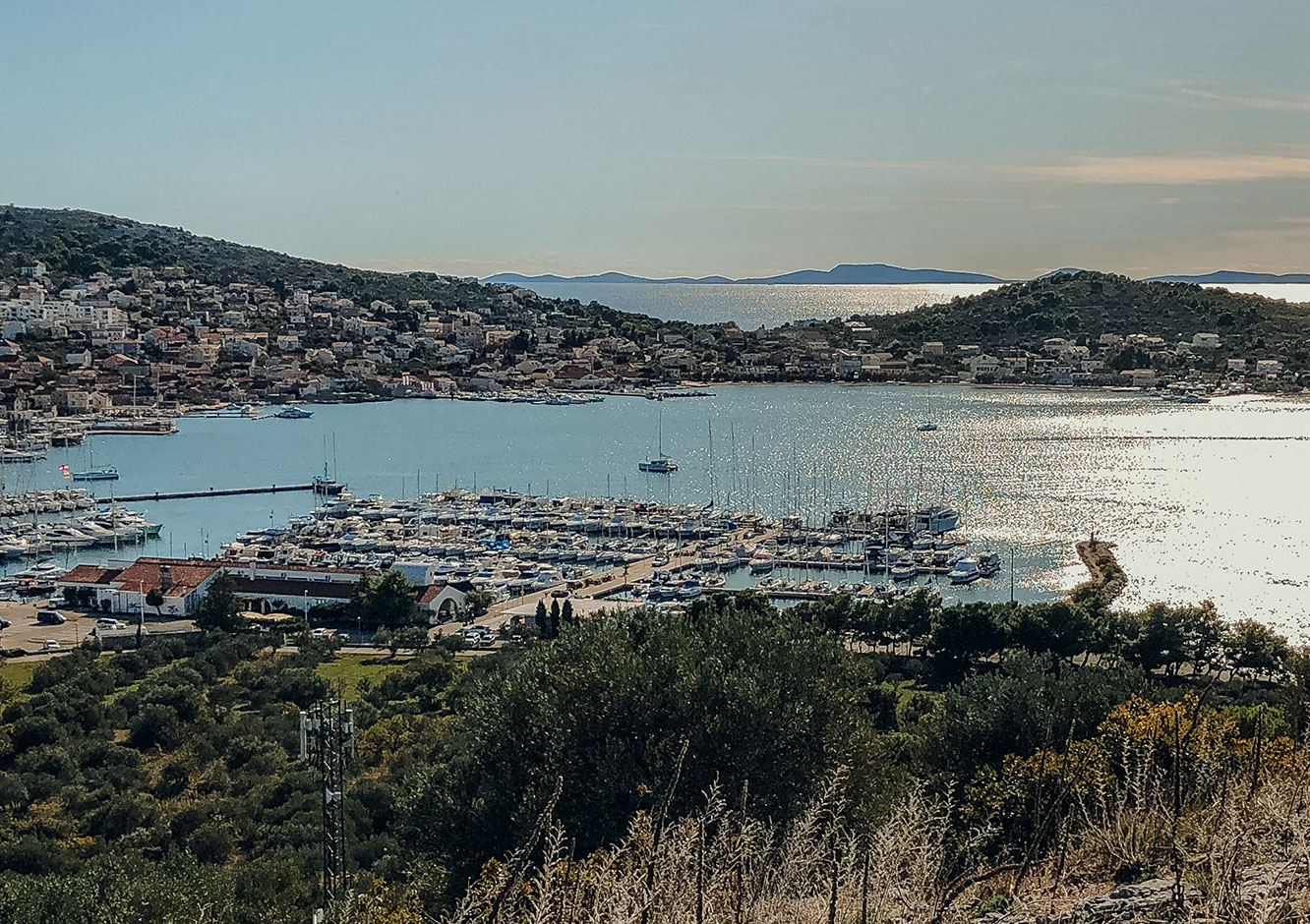
Our apartments are located in the town of Murter on the island of the same name, in the heart of the nautical tourism region of Dalmatia — an ideal setting for guests looking for Murter seaside accommodation during their stay.
The main town of Murter has around 3,000 inhabitants and is the liveliest place on the island. Around the newly redesigned main square, Trg Rudina, there are many cafés, restaurants, and small souvenir stands that provide you with everything you need. There is also a large marina, and once a year, on the traditional feast day of “St. Mihovil,” the traditional Gajeta sailing boats are brought out for a regatta.
Kornati National Park
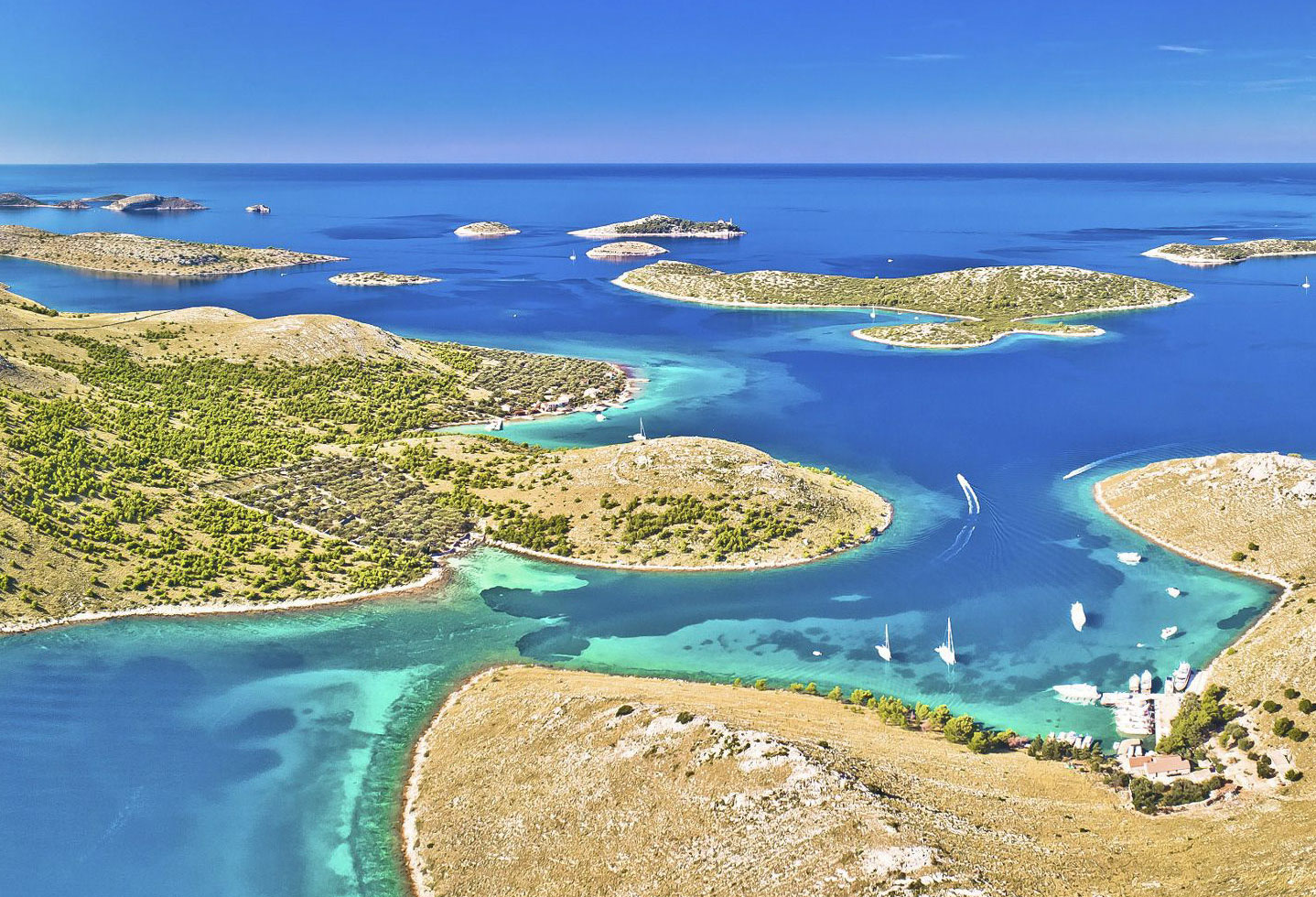
The archipelago of Kornati National Park lies just offshore and consists of a total of 89 islands and reefs. The island groups are geographically located between the islands of Dugi Otok and Žirje in the Dalmatia region of Croatia. In 1980, the area was declared a national park and has since attracted many enthusiastic visitors every year.
The breathtaking island landscape of the Kornati Islands is popular with both nature lovers and active tourists — a memorable highlight during any Dalmatia holiday. Divers, sailors, hikers, and boaters alike can fully enjoy what the area has to offer.
Krka National Park
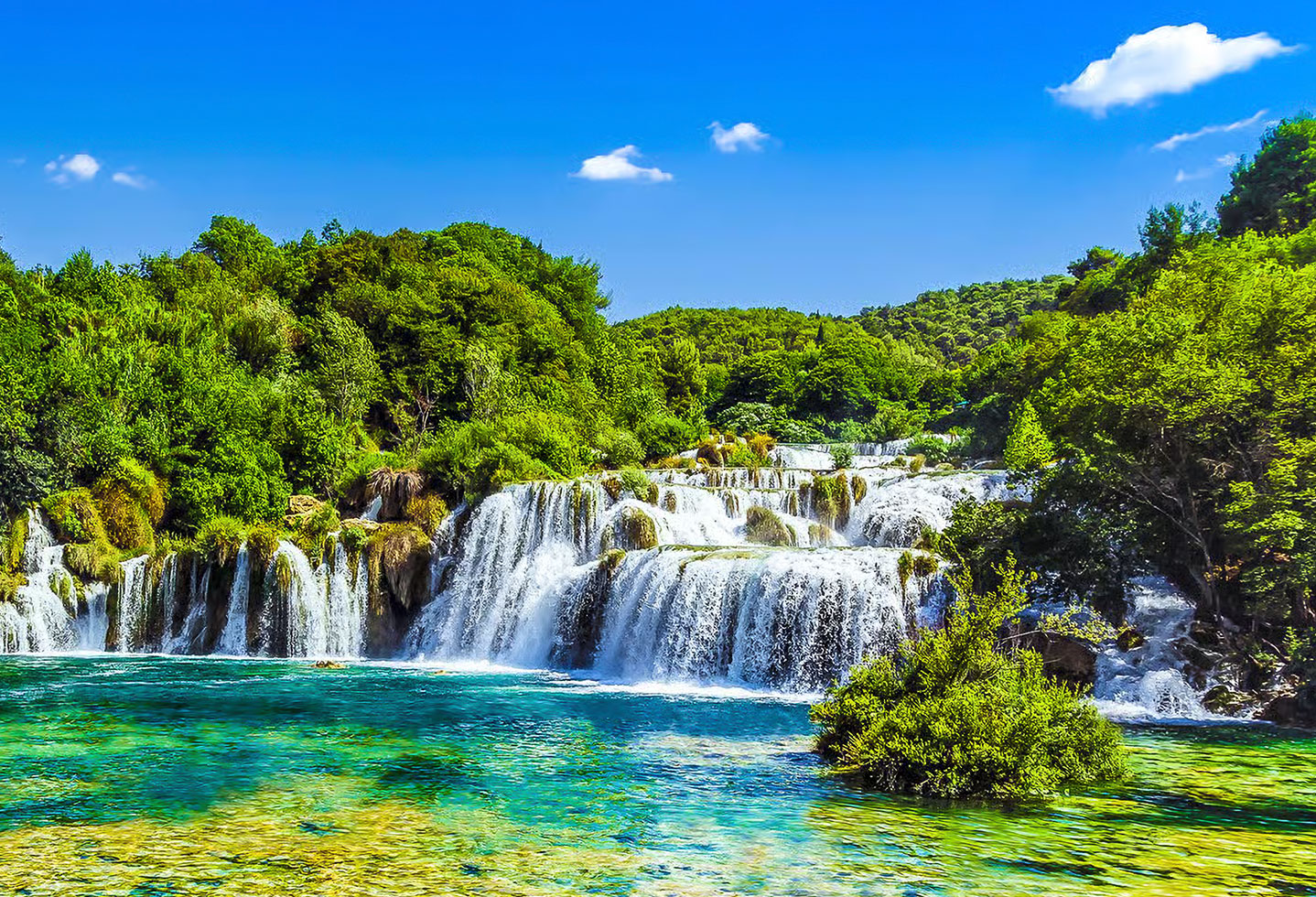
Krka National Park covers most of the river course and the riverbank area of the Krka River of the same name. In Skradin, the Krka River turns into a long and deep sea inlet.
The main attractions of the national park are its seven waterfalls. Along the Krka River and the lakes, you can find many old fortress ruins, mills, and several monasteries. Particularly noteworthy is the Franciscan monastery on the island of Visovac. The island, which covers an area of approximately 1 hectare, was partly artificially built up. It can be reached by one of the many excursion boats operating on the lake.
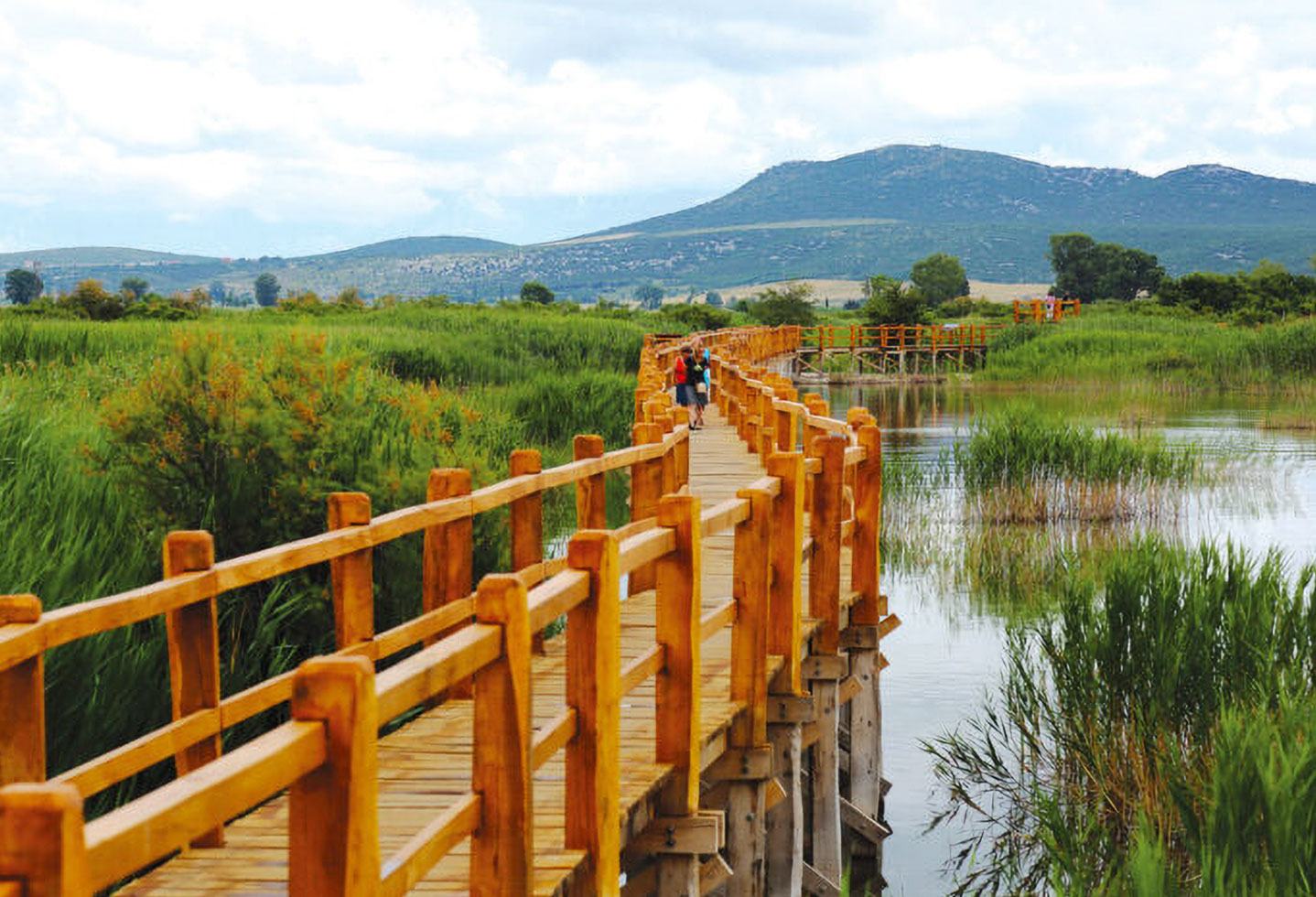
Vransko Jezero
Vransko Jezero is the largest natural lake in Croatia and at the same time the only wetland area located directly along the Croatian Adriatic coast.
The park is especially known for its bird reserve. It provides a habitat for numerous nationally and internationally endangered bird species and has been a protected area in Croatia since July 1999 — a fascinating experience for travellers who enjoy exploring nature close to their Murter seaside accommodation.

Telašćica Nature Park
Telašćica Nature Park is located in the southeastern part of the island of Dugi Otok. Together with its surrounding waters, 13 islets, and steep cliffs, it forms a wondrous natural harmony across 70.5 km².
The park is characterized by a striking contrast between tranquil bays and impressively high cliffs, forests of Aleppo pine and Dalmatian oak, and fields, vineyards, and olive groves, contrasting with stony grasslands. Mediterranean vegetation is represented in the nature park with more than 400 plant species, including numerous rare and endemic plants. The seabed is home to 250 plant species and 300 other organisms, including the now rare red coral and the carnivorous sponge.
Find out more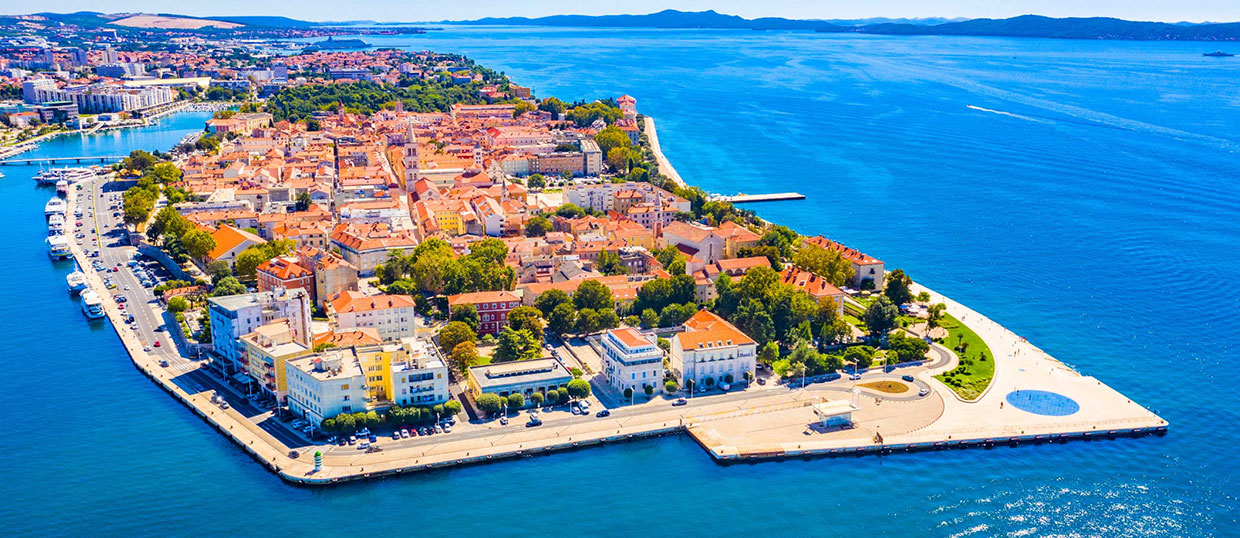
The historic city of Zadar is the gateway to the Dalmatia region. This city of almost 80,000 inhabitants offers the perfect combination of sightseeing and culture, beach and leisure.
The heart and absolute highlight is the vibrant Old Town complex, located on a peninsula, separate from the New Town. A stroll through the Old Town is like a journey through the various eras of its fascinating 3,000-year history. Remnants of Roman structures, ancient city walls and gates from the Middle Ages, and modern attractions at the northern tip of the peninsula, such as the Greeting to the Sun Square and the Sea Organ, are just some of the stops on your open-air "museum visit.“
Find out more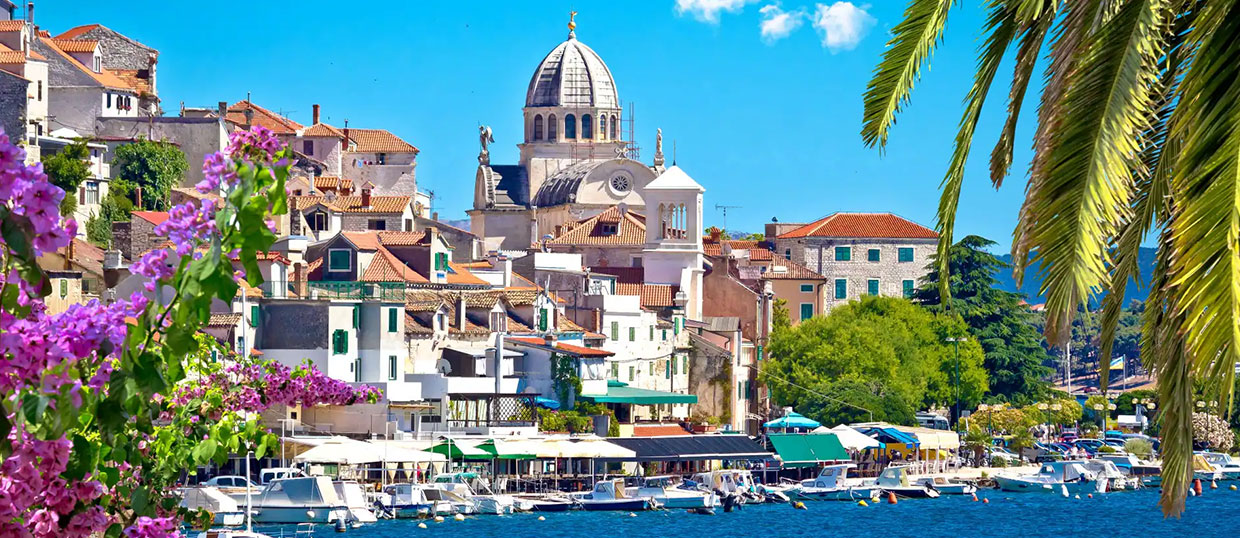
The medieval city of Šibenik, along with Zadar, is one of the largest cities in northern Dalmatia.
It offers culture enthusiasts numerous museums, galleries, and historical landmarks, such as the St. Anna Fortress, which towers over Šibenik and is also known locally as the Mihovil Fortress.
In Šibenik's old town, you'll find numerous churches, monasteries, and palaces—a captivating cultural heritage reflecting a thousand years of significant history. One of these historical structures is the Cathedral of St. James, whose 100-year construction period testifies to the importance of faith to the people of Šibenik, both then and now.
Find out more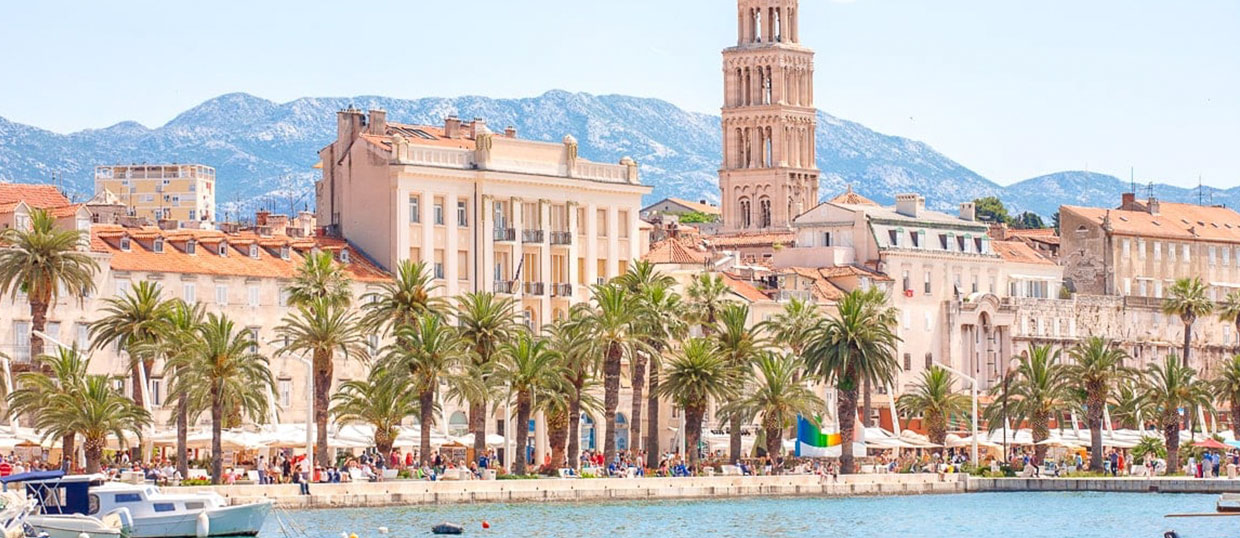
The historic city of Split, with its approximately 210,000 inhabitants, is the second largest city in Croatia after the capital, Zagreb.
In the heart of Dalmatia, surrounded by the Mosor, Kozjak, and Perun mountain ranges, a veritable open-air museum awaits you in the 1,700-year-old city of Split, situated on a peninsula.
Diocletian's Palace, declared a UNESCO World Heritage Site in 1979, and the vibrant Riva waterfront promenade form the lively heart of the city. Culture enthusiasts can expect a journey back in time to antiquity. Magnificent, imposing columns, squares, and buildings recall Split's Roman era.
Find out more